14.03.2019On March 12, the 29th Winter Universiade Krasnoyarsk 2019 has come to an end. The solemn Closing Ceremony was held at Platinum Arena Ice Arena. The Universiade lasted for 11 days, from March 2 to March 12. In total, the athletes from 58 countries competed for 76 sets of awards. The Closing Ceremony of the Games was attended by Dmitry Medvedev, Prime Minister of the Russian Federation; Oleg Matytsin, President of the International University Sports Federation (FISU), and other guests of honour.
The Closing Ceremony began with the demonstration of the best moments of the Games. The video showed the 29th Winter Universiade Krasnoyarsk 2019 highlights: joy of victories, regret over losses, invariably warm welcome of athletes by spectators. The Ceremony's creative part was opened with the performance Youth Energy, Sport's Triumph by the ice dancers from Krasnoyarsk and Adelina Sotnikova, 2014 Olympic champion. Then, the flags of 58 countries participating in the Games were carried around the arena, and the athletes marched in a joint parade that united the delegations from different countries.
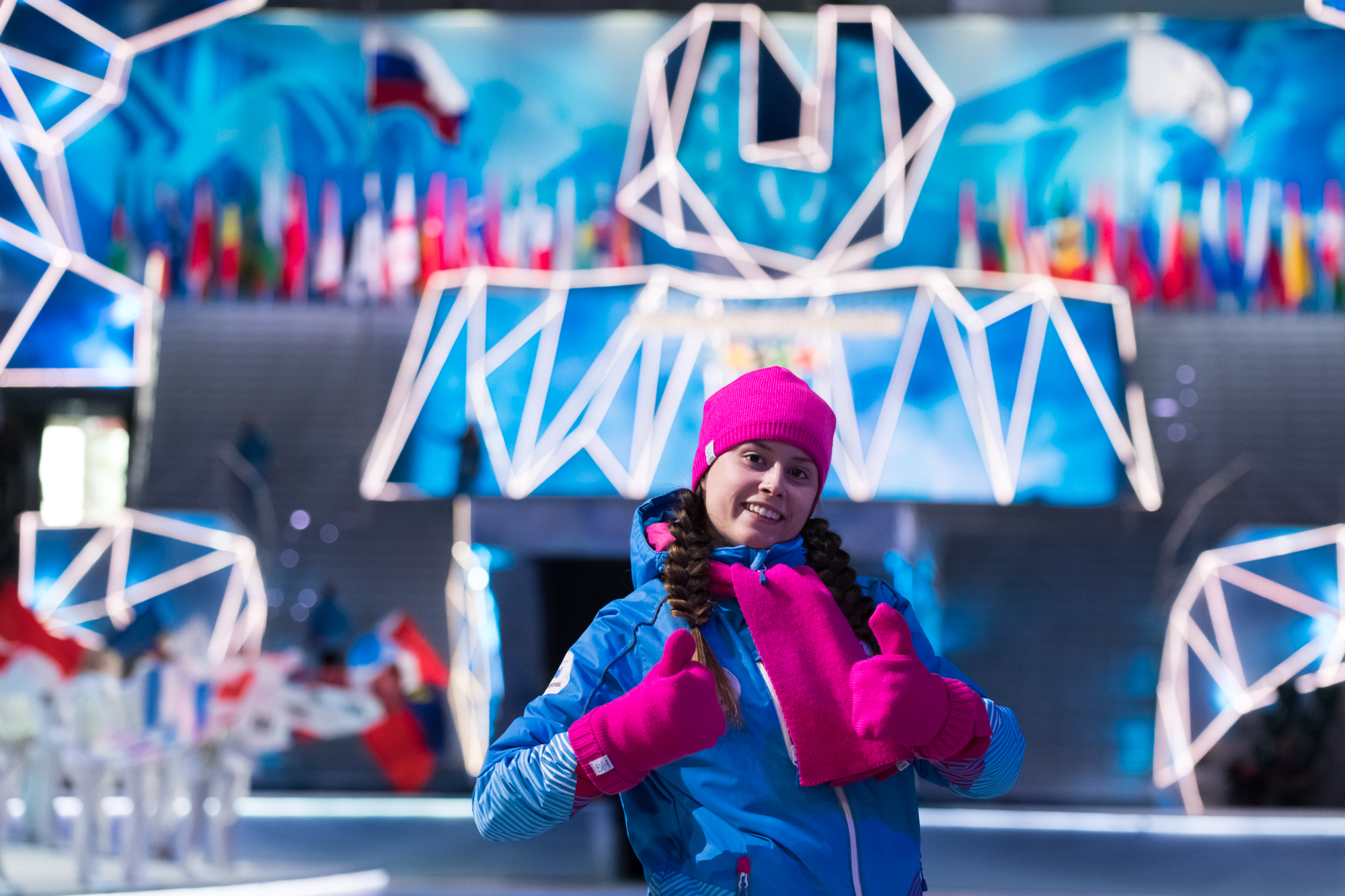
The performance dedicated to the Winter Universiade 2019 volunteers became one of the highlights of the event. Paying tribute to the huge contribution that the volunteers made to the Universiade, the anthem in their honour was performed on stage. The musical composition was specially written by BOGÁCHI, the authors and performers of the 2018 World Cup volunteer anthem. To operate the Winter Universiade 2019, five thousand assistants volunteered from the Krasnoyarsk Territory, other regions of Russia and such foreign countries as the USA, Ghana, Italy, Madagascar, Sri Lanka and many others.
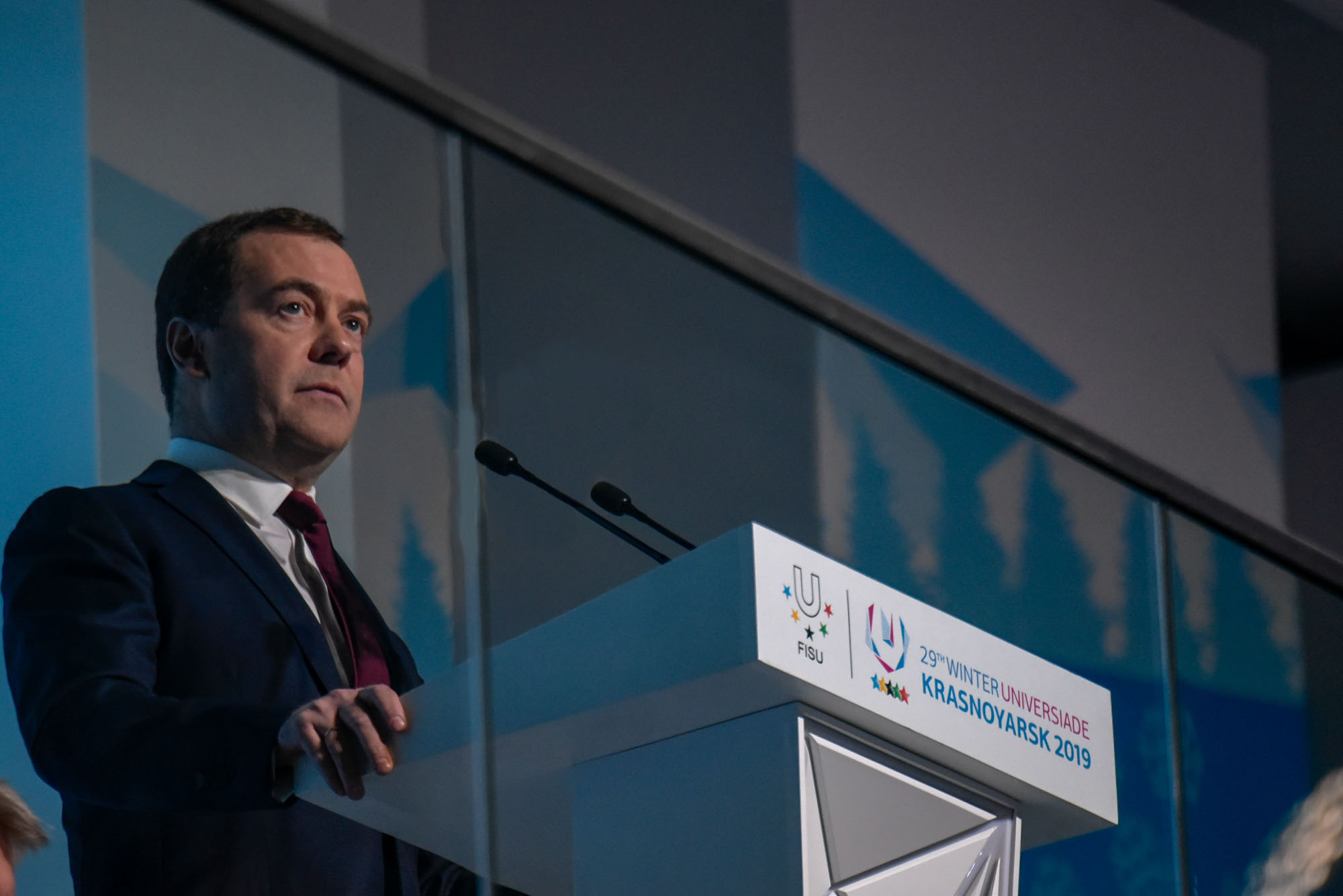
Then Dmitry Medvedev, Prime Minister of the Russian Federation, addressed the participants and spectators of the ceremony with a welcoming speech: 'It remains only a few minutes before a big sports festival, the XXIX Winter Universiade Krasnoyarsk 2019 comes to its end. We have been preparing this event for almost 6 years, and we made everything to let our guests and the competitors feel the warmth and hospitality of Russia and could find new good friends. Eleven unbelievable days passed full of powerful and bright emotions. I would like to sincerely congratulate all the champions of the Winter Universiade 2019. You had decent contenders but you became the strongest of the best. However, the main victory and the principal result is not having only champions on these competitions but also no losers. The greatest victory is our common one and it is claimed by all the participants and organizers of the Winter Universiade 2019: coaches and doctors, judges and spectators, thousands of volunteers and millions of fans. It is gained by all those who put their heart and soul in the event, who watched the competitions from the stands and online with vivid emotions, who worked in the Universiade Village and at all the venues. You proved one more time that the main things in sports are generosity and courage, team spirit, mutual support, devotion and commitment to the principles of Fair Play!'
In turn, Oleg Matytsin, FISU President, shared his impressions on the record-breaking number of countries participating in the Games in Krasnoyarsk: ‘We have experienced plenty of emotions over the past days. Thanks to our empathy towards athletes, we shared with them the joy of victory and the disappointment of defeat. And, most importantly, we experienced sincere admiration for the commitment from all those who contributed to this brightest winter sports festival of the year! Krasnoyarsk has set new standards for preparation and hospitality. The days that we spent here, in the heart of Siberia, will always remain in our memory! Allow me to thank one more time the leadership of Russia, Krasnoyarsk region, the city of Krasnoyarsk, the Directorate of the Universiade for the feelings of joy that you offered to the university sports world! I also thank my colleagues from FISU and the international winter sports federations. It is their efforts that have always made the Universiade one of the best international competitions in winter sports. I hope we will maintain this in future. Allow me to extend special thanks to a particular group of people without whom the Universiade would have not been possible. I am speaking of course of the volunteers. From early morning till night they were among us, with a constant smile on their face, always ready to help. The warmth of their hearts even melted snow on the streets of Krasnoyarsk. Let us give them a round of applause!'
Continuing the Ceremony, Oleg Matytsin, FISU President, and Sergey Eryomin, Mayor of Krasnoyarsk, handed over the FISU flag to Beat Züsli, Mayor of the Swiss city of Lucerne that will host
the next Winter Universiade.
The Closing Ceremony of the Winter Universiade 2019 was enhanced by the performance of the Russian folk song Kalinka-malinka with the accompaniment of the national musical instruments of Switzerland, the country hosting
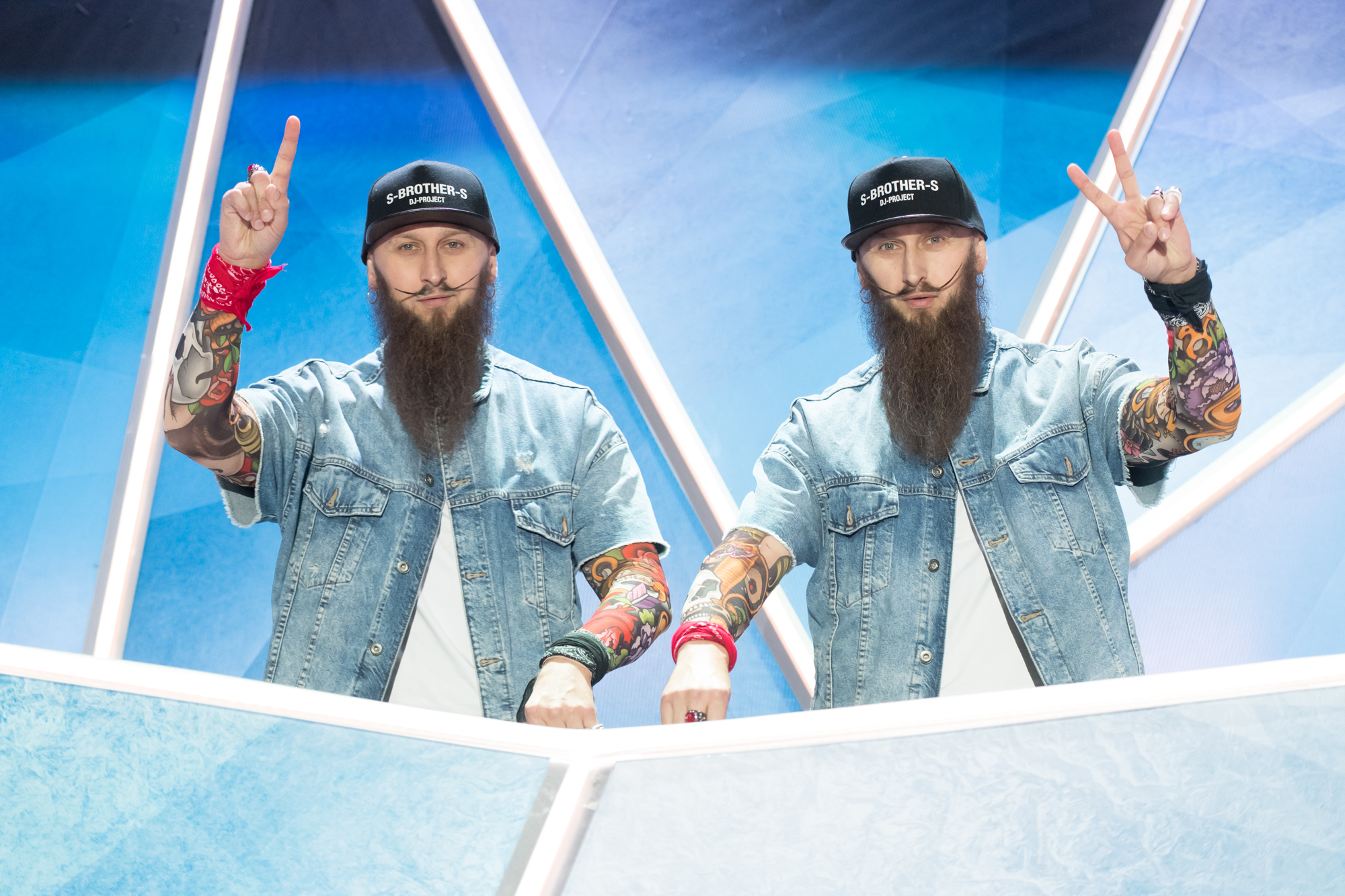
next Universiade. It was also celebrated with the performances by famous athletes and artists: Roman Kostomarov, 2006 Olympic Ice Dancing champion; Oksana Domnina, bronze medallist of the 2010 Olympics in Ice Dancing; Daria Antonyuk, singer and DJ project BROTHER-S remembered by the audience from the Opening Ceremony.
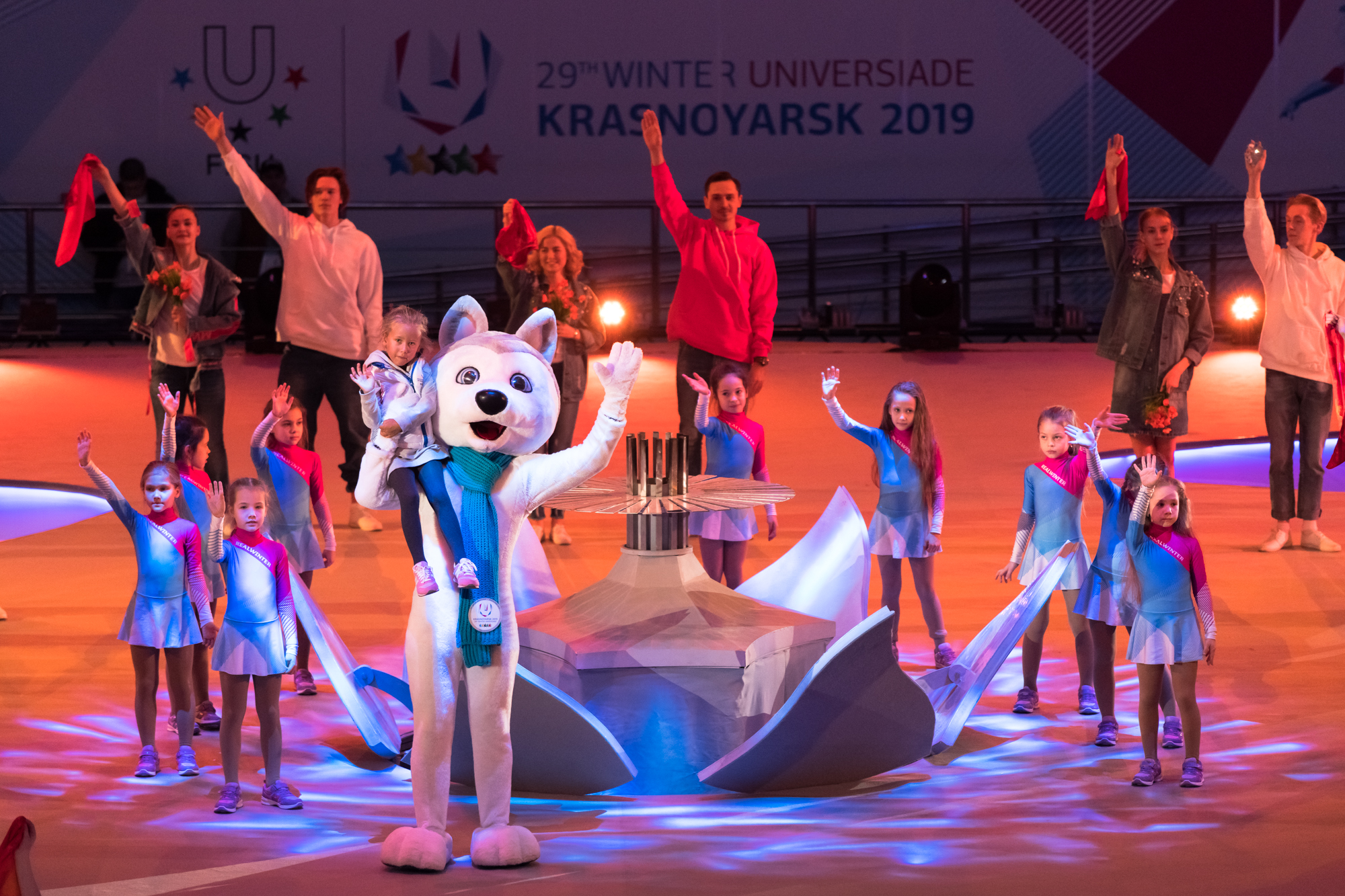
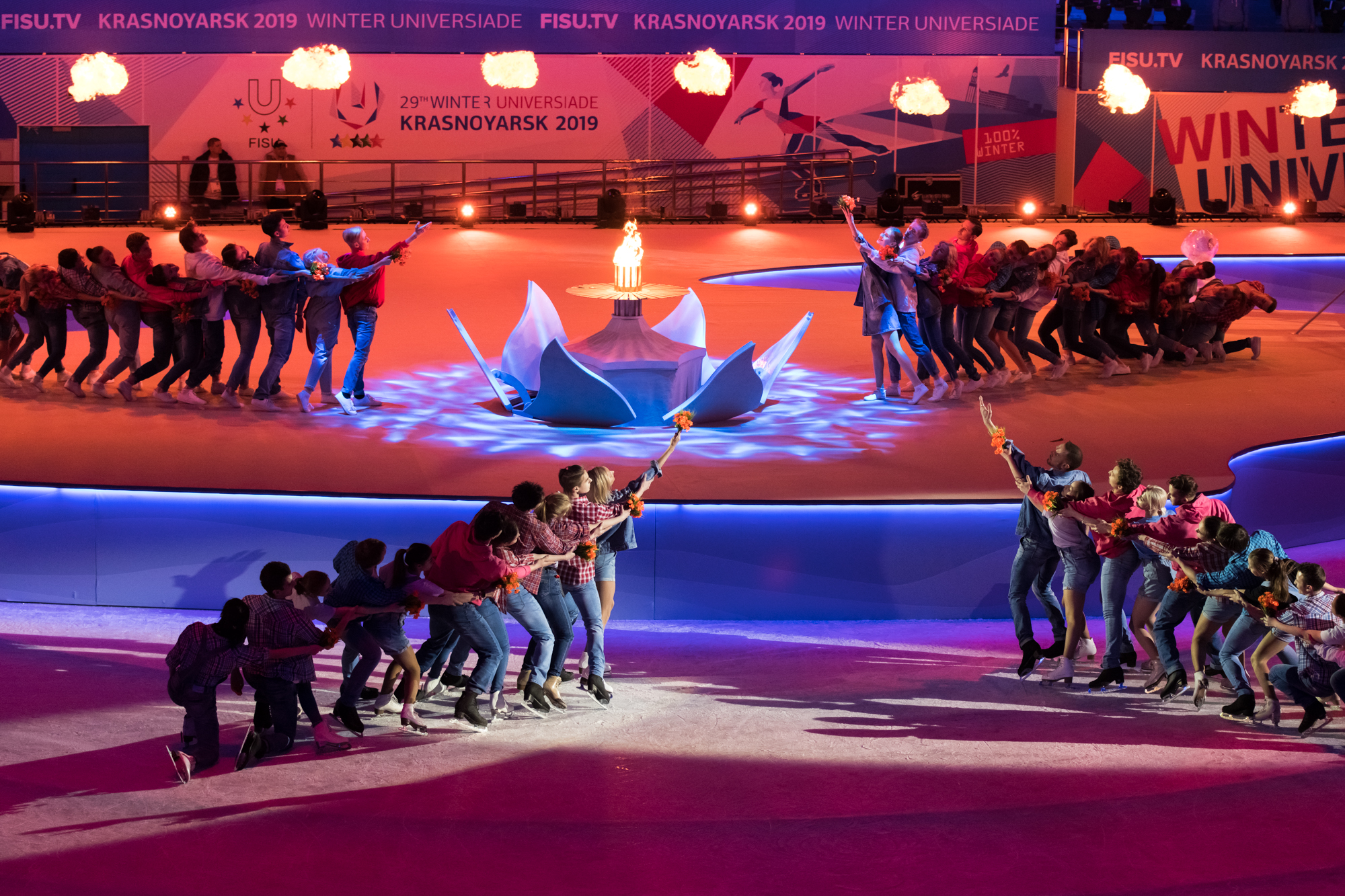
The culmination of the ceremony was a farewell to the Flame of the 29th Winter Universiade Krasnoyarsk 2019. A fiery flower symbolising the Cauldron of the Games appeared in the centre of the arena. Then its petals bloomed, embodying Trollius, the 'Siberian rose'. Zlata Demyanova, a 6-year-old Universiade Ambassador, and U-Laika, the mascot of the Winter Universiade 2019, were honoured to extinguish the fire. The Winter Universiade Krasnoyarsk 2019 Flame went out, but the warmth of friendship will forever remain in the hearts of people around the world.
We would like to remind that the Winter Universiade was held in Russia for the first time in the history of university sports. The Russian Federation became the leader of the overall medal standings at the end of the competitions, winning 112 medals (41 gold ones). South Korea became the second with 14 medals (6 gold ones). Japan took the third place with 13 awards (5 gold ones).
